
Categories
Categories

Japan Tournament Wrap-up
Social Suplex Newsletter Special
September 11 2026
Reviews by Chris Whitehead & John Carroll
STARDOM Five Star Grand Prix Review
Tournament Dates: 18th July – 23rd August
Watch On: Stardom World
By Chris Whitehead
In the fifteenth edition of their annual round robin tournament, STARDOM once again showed themselves to be the most youth focused and future-forward company in global wrestling, crowning 19-year old Rina as the youngest ever Five Star Grand Prix tournament winner.
Rina beat Starlight Kid (who turned 25 two days before finals night) in a ‘Match of the Year’-level bout, in the main event of the final stop of an eighteen show tour, in front of the biggest crowd in GP history (5,004). In many ways, it was a match only STARDOM could present, with two wrestlers of their ages (make no mistake, they are long tenured despite their ages) putting on a classic match in front of a large and passionate crowd, in one of the iconic wrestling venues in the world.
Few people in STARDOM have done as much to raise their stock over the last year as Rina has (ironically, her twin sister Hina being one of the others), and that hard work and crowd connection was recognized here with this win, delighting the fans in the room – who were solidly behind her at the bell calls, despite her opponent being the number one babyface in the company – and also fans online after the show.
The booking of the tournament culminated excellently from the quarter finals show through to the final, and while there were some bumps along the road in a way that is very uncharacteristic for the Okada-era booking team, the end destination was reached in an extremely satisfying manner.
The 2026 tournament broke every Five Star Grand Prix attendance record you could list, with the big roll of the dice of moving the finals from Ebare Wave (Ota Ward) Gymnasium to Ryōgoku Kokugikan paying off in spades. Even though they did not sell out the finals show, they opened up more seats than originally planned and increased the size of last year’s finals show by 43%.

© STARDOM
Rina: Queen of the Grand Prix
In my review of last year’s Five Star GP in Issue 11 of this newsletter, I named Rina the tournament MVP and noted that her quarter final win and its post-match, show-closing promo in Korakuen Hall was “the rare moment in time where you realize a booker has flipped the switch on a wrestler from potential future star to guaranteed future star,” and this year we saw that fulfilled.
In the year since I named her MVP, Rina has continued to slowly and surely increase her in-ring game and is now ready to put on main events at the level of anyone else in the joshi wrestling world. She has also increased her support with the crowds over the last two years. Nominally she is the fifth (arguably) most senior member of the H.A.T.E. heel unit, but realistically she is the second most popular member of the unit and a heel in name only. She is a fan favorite who literally kissed a baby after a victory earlier in the tournament and who had a super-no-vacancy sold out Korakuen Hall screaming her name while winning her quarter final match.
In a scene I cannot recall ever seeing in STARDOM (or perhaps any joshi wrestling company), Rina walked into the Ryōgoku crowd after her win, climbing through the sumo boxes and handing out high fives to anyone who wanted them. It was a remarkable and joyful post-match scene that will linger long in this writer’s memory.
All of this has been reflected in her booking and push over the last year, with her having been once again the losing finalist of the Cinderella Tournament this year, along with her holding the Artist of STARDOM (trios) Titles earlier this year.
In the tournament, her only losses were to former World of STARDOM Champion/unit leader Natsuko Tora and to Sayaka Kurara, the recent World of STARDOM Champion and another wrestler on the top booking track. She beat a who’s-who of STARDOM top names and champions: AZM, Maika, Konami and Starlight Kid, amongst others. Maika, a former red belt champion, is booked as a tournament specialist who won the GP undefeated two years ago. AZM was the losing finalist in last year’s GP. Konami, one of Rina’s mentors, had a killer run as Wonder of STARDOM Champion over the last year, and was booked strongly in this tournament. Starlight Kid is also a former white belt champion. This was not an easy run to the finals.
Interestingly, this win happened right after Rina took a “mini-excursion” in the months before the Five Star Grand Prix, spending five weeks or so in the US and Mexico, working for MLW, AEW and CMLL. It could be easy to chalk this up as a coincidence, but at the winner’s press conference the day after the finals, both Rina and Taro Okada mentioned this excursion, with Rina saying it improved her mental toughness and Okada saying he wanted Rina to go on the trip by herself to truly experience the wider world of wrestling. STARDOM has not traditionally sent wrestlers on solo excursions in the way puro companies do, and yet one of the few examples from recent years happened right before a major push began.
And make no mistake, this is a major push. This is the rarefied air of being a Round Robin Tournament Winner, a feat in many ways much harder to achieve than winning a world title, and with significantly fewer people having ever done so. The list of names of wrestlers who have never won the Five Star GP, the G1 or the Champion Carnival is long and distinguished.
Even if Rina’s tournament win is not parlayed into a championship win on her first attempt, winning the Five Star Grand Prix is as big an investment as a booking team can make in a wrestler, especially a 19-year old.

© STARDOM
Tournament MVP: Starlight Kid
I have recommended 15 matches from the GP at the end of this article. Starlight Kid appears in five of them, the most of anyone. Did she have an advantage from being in a block stacked with quality wrestlers? Sure, but she also shone the most of anyone in that block, and everyone in that block had their best match with her. She got the most out of her opponents.
“SLK: Good Wrestler” is not exactly some novel concept, but the last eighteen months or so, coinciding with her Wonder of STARDOM Title run and the time since, have seen her operating at a higher level of confidence than ever before. Perhaps a switch has flipped inside her mind, where she believes in herself more than ever and feels unstoppable and undeniable. Perhaps the company’s investment in her has pushed her to the next level. Whatever it is, it is a welcome addition for a wrestler that could already do it all.
I would not be surprised if Starlight Kid becomes the World of STARDOM Champion before Rina, or ends up main eventing bigger shows more often. She’s as much a sure thing and, being older and already having been Wonder of STARDOM Champion, has a head start. There is a blockbuster attendance somewhere in the future for an SLK vs Saya Kamitani match (with or without the mask on the line, albeit the mask stipulation would tip off the winner), and their match here going to a time limit draw was no surprise to me. She also got the win over Momo Watanabe in the block, and traded wins with Ami Sohrei, with Kid getting the decisive win in the quarter final. And, of course, she was the only person to defeat Suzu Suzuki on the tour. Even as the losing finalist, she comes out of this year’s GP positioned as one of the top 2 or 3 wrestlers in the entire company.
“Oh No, It’s The Booking Discourse Section”
As I mentioned at the top, the end point of the booking was excellently done, as I – like many of you, surely – jumped off my couch in joy when referee Barb Sasaki’s hand hit the mat for the third time at the end of the final. This was a deeply satisfying win, and as outlined above, was built over time, too. As I said, from the quarter finals on, the booking was expertly done.
There were some bumps along the way which were primarily built around tournament math and/or logistics more so than actual bad booking (although fans of certain wrestlers may disagree, more on that below). Beating a wrestler in their hometown is hardly rare, or a sin, but beating two in a row on the same night (Hina and Hanan in Tochigi) seemed sub-optimal, especially as the losses could have easily come at other tour stops. Was it strictly necessary to book Itsuki Aoki as strong as they did, seemingly as a favor to WAVE to protect their championship? Probably not, and while it added some jeopardy to that block, there were also other ways to achieve that. The most glaring issue was the elimination of wrestlers when they were not on the card but had a match on the next (or an upcoming show), an example of which was Sayaka Kurara being eliminated on one of her nights off. It would be preferable, to me at least, to have someone be eliminated by losing on a show, rather than by someone else in their block winning on another show.
The core issue with these flubs is that we have not seen them occur in the previous two GPs booked by the Taro Okada regime, so it mostly stood out as a lack of attention to detail that is unusual for this typically detail-oriented team.
On the story side of the booking, there were some choices made that may have seemed odd in real time, but have the chance to come into focus as foundational stories in the months ahead.

© STARDOM
Perhaps the most notable of these was Sayaka Kurara, who a mere four months ago shocked the world and defeated Saya Kamitani for the World of STARDOM Championship (read all about that here) but was out of the running in her block weeks before the quarter final stage. As I noted in that review, despite winning the top title, that was just the beginning of her journey: “Sayaka is on top of the world right now, but her mentor Tam never lasted long on top and often let her emotions cloud her judgement. Will Sayaka fall into the same trap? Will her ‘feeling is first’ mentality overpower her?”
Her failure in the GP points more towards a long-term story of failure and redemption for Kurara, who channeled her entire being and all her emotions into beating Kamitani, and pulled it off, but then couldn’t hang at the top level for long. Comments Taro Okada made to Weekly Pro Wrestling mid-tournament back up these story notes, and this is sure to be a focal point going forward.
Meanwhile, Kurara’s tag partner and Cosmic Angels unit “Captain” Aya Sakura remains (in character) as delusional as ever (laudatory), as she also not only lost out early but also let herself be perpetually gotten to by crowds chanting for her opponents more than her. Sakura’s character is actually well positioned to be a somewhat frequent loser of matches, as it can be used to drive her further into the pit of her own despair, with the safety blanket that her popularity will overcome it anyway. It does appear to have been a purposeful choice to name her the “Captain” of Cosmic Angels, rather than leader, as the inherent booking respect that comes to a leader is likely not coming to Sakura anytime soon (and is ultimately more likely to find its way to Kurara, the newly appointed “Ace” of Cosmic Angels).
Pre-tournament, I would have bet an obscene amount of money that last year’s GP winner, Momo Watanabe, and the top star of the company, Saya Kamitani, would make it out of their block and into the deep end of the tournament. If I had, some lucky bookmaker would be all the richer for my folly, with both being eliminated before the quarter final stage. However, after their match with each other (which was a time limit draw), the pair hashed out their issues that had been bubbling away for a few months and instead announced their intention to make a run at the Goddesses of STARDOM (tag) Titles. Given their past as members of Queen’s Quest, and the current champions – AZM and Miyu Amasaki – also being former QQ members, this offers Saya a chance to sink her teeth into more “lore” storytelling, as her Phenex Queen character appears to be slowly merging with her former Golden Phoenix character. (Check out her new gold and black gear…)
Of course, there is one other former member of Queen’s Quest lurking on the side lines who also didn’t make it out of her block: Utami Hayashishita. Utami had maybe the most surprising booking to me of anyone in the GP, not only not making it out of her block, but sharing a laugh and a joke with Maki Itoh immediately after Itoh eliminated her from contention. She was also absent from the finals show with no explanation (forcing her to take to social media to insist she was not injured). I’m onboard with slow-rolling her return to STARDOM and having her ‘earn’ her spot back after abandoning ship for two years, but with no clear direction of travel set up during the GP and with her seemingly not caring she got eliminated and then disappearing, her current direction is as clear as mud.

© STARDOM
Tournament Format & Roster Utilization
The 32-woman format remains a talking point among fans, with opinions divided on the value of having a smaller field vs a bigger field. My colleague Tim Hunter covered this last year and I personally also lean towards “less is more”. Those in favor of ‘more is more’ generally want to see all the rookie and junior wrestlers in the mix, but I would prefer the entrants to be the more senior and veteran wrestlers, a real ‘best of the best’ group of killers.
Regardless of the fan discussion, it seems unlikely this format is going anywhere. As I noted in last year’s tournament review, Taro Okada gave quotes to the Japanese media last year about why he wants to run the tournament this way, and (as we will get to) the business results support his choice. This was also the longest 5 Star Grand Prix in the Taro Okada regime, coming in at eighteen shows, two more than last year.
Regardless of looking to tweak the format, the true joy of the Five Star Grand Prix remains the chance to see the stacked STARDOM roster wrestle so many singles matches in such a short period. Outside of major shows, the tour stops throughout the rest of the year are typically packed with tag, trio and multi-woman tag matches, with singles matches being rarer, and rarer still are some of the singles match-ups the GP can offer. That makes the larger format worth it by itself, even if there are tweaks I would make if it were up to me.
That said, even with the massive 32-person format, the difficulty of keeping a roster of this size “fed and watered” with the booking may be showing. Four wrestlers were sent to America for a tour during the tournament (Syuri, Hazuki, Ranna Yagami and Fuwa-chan), two veterans opted out of the tournament to enjoy ‘their last summer together’ (Natsupoi and Saori Anou), Bea Priestly ended up missing the tournament due to injury, various low card wrestlers missed the tournament, and only two of the six current rookies made the cut. Meanwhile, four freelancers and one overseas guest (filling in for Bea) were included. Even with the expanded format there will be wrestlers who wanted in and didn’t make it. Is an American vacation going to be enough to keep people happy every year? Time will tell.
Beyond that, as we have talked about before in these pages, rarely has wrestling seen a roster of this size where almost everyone on it is some degree of ‘over’ with the crowd (ranging from a lot to a little), and while the booking team does a decent job of trying to keep everyone at least a little warm throughout the year, you cannot push everyone at the same time in a tournament.
This booking team has used every tournament they have booked to elevate multiple people – not just the winner – so it is interesting to see who they picked out this year and contrast that with who they did not.
As noted above, they did not use this tournament to elevate Sayaka Kurara or Aya Sakura. Or did they? I would argue that they did actually do that, as I outlined above, by kicking off character arcs for these two wrestlers the office is clearly invested in? Even if you disagree, no wrestler outside Rina has been more elevated in STARDOM this year than Kurara. So I can understand why they didn’t go with her here, now that I have the full scope of the tournament to look at.
Also not elevated in this tournament were wrestlers already “made” like Saya Kamitani and Momo Watanabe, for reasons outlined above. Miyu Amasaki is being elevated via the tag and trios wrestling path and didn’t get much here (which I think is a good choice, with tag matches better able to play to her strengths), and while I expected Hina to get more points than she did, she ended up in a block with two other wrestlers who did get elevated (and time remains on her side, especially as she continues to pair wrestling with her education).
So who did get elevated this year?

Suzu Suzuki, already the World of STARDOM Champion and a former GP winner, had an undefeated run to the semi finals and was a suitable wall for everyone who came before her – until Starlight Kid was able to defeat her, making that win all the more valuable for the losing finalist (and surely setting up a red belt match down the line).
Konami, coming off her dominant Wonder of STARDOM Title run late last year/early this year, was booked strongly and was the obstacle that her mentee Rina had to overcome to make it to the semi-finals.
HANAKO and Ruaka were both sent to the quarter finals (perhaps one in lieu of Bea Priestley?) and booked strongly on the way, especially with Ruaka being the only person to get a point from Suzu in the block matches (from a double count out), with my assumption being that both will be more firmly established in the upper midcard from here on out.
Ami Sohrei perhaps got the biggest bump from her block, emerging first in Blue Stars B, the block that featured Kamitani, Watanabe, Starlight Kid and Hanan. Sohrei is not pushed at the level of those four and yet toppled them all to win the block – defeating Kamitani, Kid and Hanan along the way. She will challenge Hanan for the white belt in September as a result of that win. It is possible she may also have been rewarded here for taking the pinfall loss in the Artists of STARDOM Title match on opening night, in which she and her Dream Trine partners lost those belts to AEW’s Triangle of Madness.
Speaking of Triangle of Madness: a brief word on Julia Hart’s tournament, a hot topic among fans (including me) when she was announced as Bea’s replacement. In most cases, her matches avoided being truly horrible, but certainly none were good and all were below the working standard of the promotion. The biggest issue was not that she won four matches, but that she won them with a hold that looked incredibly weak and ineffective, making the wrestlers she beat look all the worse for the loss. The other issue was that by the end of the tour, it had become apparent to anyone watching that Julia appears to be afraid of one of the basic tasks of wrestling: taking moves. She ducked her head out of the way of kicks in her match with Aya Sakura, either through a lack of trust or fear, leaving Sakura’s kicks – the cornerstone of her offence – looking ineffective. In her final match with Suzu Suzuki, Julia’s fear of taking any move from Suzu, especially the German Suplexes, radiated off the screen. (Suzu for her part, muscled her through those suplexes, won the match quickly and left in a hurry, as if thoroughly over the whole affair.) Ultimately, I mostly ended up feeling sorry for Julia and wondering why she accepted this assignment and/or why AEW chose her for it. Surely there were other options available?
The other big miss for me in this tournament was Maki Itoh, who now after multiple months in the company has shown she, too, cannot meet the working standard. Or is it that she might be able to and simply does not want to? I can’t say for sure, but it was frustrating to see her put in significantly less effort than others and laugh and joke around instead.
On a positive note, once again, for the third year in a row since the concept was introduced, the quarter finals show was a massive success (both in-ring and with the crowd it drew, a super-no-vacancy sell out of Korakuen Hall). Whatever the plans for the tournament format are now or become in the future, this night is a “must keep” that delivers every time. This year’s show was streamed for free on YouTube and is an easy contender for STARDOM ‘Show of the Year’, even clearing some of their PPV shows.
Another improvement this year was switching up the card format for opening night, and not putting all 16 opening block matches into one card (following a relatively poorly received show doing that last year). Instead, seven tournament matches were mixed in with two title matches, with the main event for the IWGP Women’s Championship between Syruri and Natsupoi being a ‘Match of the Year Contender’. Poi, who sat this GP out, later announced her planned retirement on January 3rd 2027, but bookended the tour with another classic match on finals night with her friend/partner/rival Saori Anou, their last singles match with each other and the first major match on her retirement road.
Box Office Success
Last year I listed five different Five Star Grand Prix attendance records that were broken: Average Attendance, Median Attendance, Highest single show, Highest Korakuen Hall show, and highest lowest (the smallest number on the tour being higher than any other year).
This year they broke all of those records again, and added an even bigger one: highest total attendance for a GP tour, beating the previous record from 2022, which featured four more shows than this one did. Much of that came from moving the finals night to Ryōgoku, but even if they had drawn the same number as last year’s final, all but the total attendance record would still have been broken.

© Chris Whitehead / Cagematch
Recommended Matches & Shows
Tournament Match Recommendations (reverse chronological order)
- Rina vs Starlight Kid – August 23rd
- Rina vs Maika – August 23rd
- Suzu Suzuki vs Starlight Kid – August 23rd
- Rina vs Konami – August 18th
- Saya Iida vs Maika – August 18th
- Saya Iida vs AZM – August 18th
- Utami Hayashashita vs Mei Seira – August 16th
- Rina vs AZM – August 16th
- Saya Kamitani vs Momo Watanabe – August 3rd
- Hina vs Hanako – August 2nd
- Starlight Kid vs Momo Watanabe – August 2nd
- Starlight Kid vs Hanan – August 1st
- Starlight Kid vs Saya Kamitani – July 28th
- Suzu Suzuki vs Hina – July 19th
- Mei Seira vs Rina Yamashita – July 18th
Non Tournament Match Recommendations (aka the Natsupoi Zone)
- Special Singles Match, Last Time Ever Bout: Natsupoi vs Saori Anou – August 23rd
- Natsupoi vs Anne Kanaya – August 3rd
- IWGP Women’s Championship: Syuri vs Natsupoi – July 18th
Recommended Shows
- Best overall show: Quarter Finals Night – August 18th, Korakuen Hall
- Most important show to see: Finals Night – August 23rd, Ryōgoku Kokugikan

TJPW Tokyo Princess Cup Review
Tournament Dates: July 20th – August 23rd
Watch On: Wrestle Universe
Review By: John Carroll (Voices of Wrestling / Wrestling Omakase)
Let’s say you wanted to create a roadmap for a “hot period in a Japanese wrestling promotion” – in other words, you wanted to determine what the biggest contributing factors were historically. One conclusion that you might reach pretty quickly is that Japanese promotions (of either gender) tend to get hot when you have multiple, overlapping generations of dynamic talent at the same time.
This has been seen in promotions in the past as diverse as New Japan and Dragon Gate (the two word version!), as well as many joshi promotions in the past and present. Given the often extreme focus on dojos producing their own talent, it’s relatively unique to Japanese wrestling. And perhaps there’s no greater example of this phenomenon right now than Tokyo Joshi Pro Wrestling.
TJPW has always been a bit of an outlier in the scene, with less interactions with the rest of the joshi world (although this has slowly begun to change in recent years) and an extreme emphasis on developing their own talent even by joshi standards. Founded by DDT’s Sanshiro Takagi and Tetsuya Koda, the former head of the NEO promotion from the 00s, TJPW have been around for almost 13 years now (their proper inaugural show was 1st December 2013, though there were also a bunch of weird little “pre-debut” events). In that time they’ve developed a philosophy and wrestling style that’s a somewhat eclectic mix of the kind of comedy stylings found in their parent company DDT, the “be happy with pro wrestling”-esque lighthearted fun found in something like Ice Ribbon (which makes sense when you remember that Ice Ribbon has their own NEO DNA in them, and in fact Koda briefly served as a producer there in between the end of NEO and taking the job of starting up TJPW), as well as a more traditional strike/technical wrestling joshi style.
That third aspect of their style is perhaps a relatively new phenomenon, with match quality rapidly increasing throughout this decade. Anyone who watched them during the mid-2010s can tell you that this was not a promotion you’d watch with your proverbial “notebook” at the ready (though they were still a very fun watch at times anyway!), but as the style has evolved things have picked up in that department for sure. Tokyo Joshi Pro now produces about as consistently great in-ring output (especially at their now-near-monthly Korakuen Hall events) as any other promotion in wrestling. And again, to tie it back to the original point, that has a lot to do with the fact that they have three strong and distinct generations of homegrown wrestlers, giving them by far the greatest roster depth of their history.
While this oversimplifies things a little, you can essentially think of their roster as breaking down across three groups:
Veteran Princesses
These are your OGs if you will – the wrestlers who have been here since more or less the start of the promotion and are still going strong. It includes wrestlers like Miyu Yamashita, Rika Tatsumi, as well as Shoko Nakajima and (though she came to TJPW a bit later) Mizuki, who are still capable of stepping up in any situation and providing great matches. The last two names have both developed as workers since those mid-2010s days, and now simply have a much greater variety of quality opponents to match up against as well.
Modern Princesses
This is the “current generation” of TJPW, featuring wrestlers who mostly started in the late-2010s to very early 2020s. Current Princess of Princess Champion and former SKE48 idol Yuki Arai, the new “ace” Miu Watanabe, and the standout Daisy Monkey team of Suzume and Arisu Endo would all fit neatly into this category. Their hit rate with this generation has been simply fantastic – Arai is drawing crowds to shows and looking more like a true champion by the day, and if I was making a top 20 list of the best in-ring wrestlers in Japan (again, of either gender), I would put all three of Suzume, Endo and Miu on it. Hell, they’d all have an argument for the top 10.
Future Princesses
Finally, we have the “next generation” of TJPW – wrestlers who have debuted in the last 3 years or so. This generation is obviously full of wrestlers who are still finding their way, but already we can see they have a ton of potential, too. Wrestlers like Haru Kazashiro, HIMAWARI, Toga, Uta Takami and Ren Konatsu are already performing at a high level, but clearly they haven’t even come close to hitting their ceilings yet. You can tell that Tokyo Joshi as a promotion is super excited about the potential with this group – indeed, they just recently announced the first of what’s planned to be a new series of shows specifically restricted to wrestlers who debuted in 2023 or later, called “Becoming”. The first event took place on 8/29 at TOKYO SQUARE in Itabashi.
When you have three distinct generations like this – veterans who have been around the block, a current generation that’s very fresh on top, and a future generation that’s clearly full of potential – and all three generations are full of proverbial swagger machines who can also back it up when they go in the ring, you’re probably in for a fun time. And much like their 2026 in general, the 13th Tokyo Princess Cup was certainly a fun time!
So with this setup in mind, let’s go through the entire single elimination tournament, from start to finish. All three generations featured in it prominently, and it was their interactions with each other throughout that really helped make this a super memorable one.
Twenty-four wrestlers appeared in the Princess Cup in total, which was again a standard single-elimination tournament. This represented nearly the entire roster, with the only notable exceptions being Yuki Kamifuku (who is retiring on December 26th of this year), Shino Suzuki (who was injured) and Kira Summer (who returned to her home country of Australia for the length of the tournament).
Four wrestlers taking part in this year’s Princess Cup had won the tournament before: defending 2025 champion Miu Watanabe, 2023 champion Miyu Yamashita, 2019 & 2020 champion Mizuki, and 2015 champion Shoko Nakajima.
Note: If you’re wondering about missing years, many of the other former champions have either retired (2013’s Nonoko, 2016 & 2018’s Yuu, 2017’s Reika Saiki) or moved on to other promotions (2021’s Maki Itoh and 2022’s Yuka Sakazaki) – the 2024 tournament was the only one ever won by an outsider in Ryo Mizunami, who did not take part in the last two tournaments.
There was also plenty of experience in the tournament in general. Four wrestlers were making at least their tenth appearance in a Princess Cup this year: it marked 10 for Mizuki, 11 for Rika Tatsumi, 12 for Miyu Yamashita, and Shoko has the distinction of being the only wrestler to appear in all 13 editions of the Princess Cup. Now, if you paid attention to those two lists, you may have noticed that Rika is the only wrestler to appear in at least 10 TPCs without ever winning a single one. (Dramatic music intensifies!!!) Ah, I believe they call that foreshadowing, kids…
On the other end of the spectrum, though, a full half-dozen wrestlers entered the TPC for the first time this year: Mifu Ashida, Uta Takami, Chika Nanase, Ren Konatsu, Shion Kanzaki & Momo Sato. You can throw in a few more names making just their 2nd appearances in HIMAWARI & Toga (not the last time you’ll see those two names together by the way), and even Haru Kazashiro making her 3rd appearance, and that’s quite the number of inexperienced entrants this year.
Since the tournament featured twenty-four wrestlers, sixteen of them competed in the first round in total, with eight more receiving byes straight to the second round. These were “randomly selected” – in kayfabe, anyway. Our eight wrestlers who received byes straight to the second round were: Rika Tatsumi, Hyper Misao, Chika Nanase, HIMAWARI, Mahiro Kiryu, Yuki Aino, Pom Harajuku and Shoko Nakajima.
With all that information out of the way, let’s finally talk about some wrestling matches! Please note that for the purpose of this review I will be ignoring any and all non-tournament matches on each show.

© TJPW
“TJPW Princess Cup Night 1”
20th July 2026
Act City Hamamatsu, Shizuoka, Japan
Company Announced Attendance: 270
The entire first round took place on a single night in Hamamatsu (home of very good gyoza, by the way).
Round 1
Toga vs Momo Sato
The opening match of the 13th Princess Cup featured the young powerhouse Toga taking on the newest wrestler to debut in TJPW, the 15-year-old high school sophomore Momo Sato (younger sister to DDT’s Daichi Sato). Not a lot of note in this five minute match – as Momo has only wrestled a handful of matches in her young career so far, this was kept simple and was a relatively easy win for Toga, whose three years of in ring experience make her a veteran by comparison. (**1/2)
Round 1
Shion Kanzaki vs Suzume
Shion would be the next least experienced wrestler on the TJPW roster, but with over six months of an edge over Momo she did get to put up a little bit more of a fight against the reigning International Princess Champion. Other than one unfortunately mistimed springboard spot, this match was a lot of fun, with Shion getting a chance to get some nice nearfalls to tease the incredibly unlikely upset before tapping out to Suzume’s head-and-arm scissors. Even with that aforementioned botch, this was a fine little match. (***)
Round 1
Wakana Uehara vs Mifu Ashida
Wakana is a bit of a straddler in all the generation talk I mentioned earlier – she debuted in October 2022, so JUST outside of the range of the “Becoming” or Future Princess generation, if you will, but she only wrestled one match that year, which basically makes her a part of it even if she can’t appear on the shows by their own rules. She’s already found more success than anyone else in that generation as part of the Ober Eats tag team with Yuki Kamifuku, having held the Princess Tag Titles and won the annual Max Heart tag team tournament earlier this year. I happen to think she’s quite overpushed relative to both her skill level and in-ring charisma – her unique background as a competitive eater-turned-pro wrestler has gotten her ‘over’ quite a bit on social media, but she’s one of the only acts in the entire promotion I find nearly completely uninteresting to watch.
Mifu Ashida, on the other hand, is an absolute delight. She started out in August 2023 in Ice Ribbon, before departing the promotion at the very end of 2024 and jumping to TJPW at the start of 2025. Her bubbly cheerleader persona lets her be one of these TJPW wrestlers who can be extremely funny in many different comedic situations, but at the same time she is no in-ring slouch, either. So as you can probably guess after reading all that, the result here did not exactly thrill me! Even putting that aside, though, I thought this was an astoundingly boring match, especially once they moved past some early comedy centered around Mifu bringing a giant rice ball out for Wakana (cause she eats a lot, you see! No, it really wasn’t any funnier on screen either if you’re wondering). There have been worse wrestling matches for sure, but this is one you can safely skip. (**)
Round 1
Arisu Endo vs Sakura Hattori
Now we’re talking! This meeting of the rainbow-haired dog lover Arisu and the bird-turned-ninja Hattori felt like watching a different thing entirely after the first three matches. I’m not sure when was the last time I’ve seen someone have a glow-up from a simple gimmick change since the masked bird Kaya Toribami became a masked ninja instead – she’s just so much more interesting now. Note that both of these wrestlers debuted in 2021, making them two of the later entries in our “Modern Princess” generation, but the gap in their resumes is much longer than the five-month gap in experience would suggest (Arisu having debuted in January vs June for Hattori): Arisu has already notched a 175-day reign with the Princess Tag Titles alongside her Daisy Monkey partner Suzume, and also won the secondary singles title (the International Princess Title) last year before dropping it on their annual 4th January Korakuen show to start 2026. She also reached the finals of this very tournament last year before losing to Miu Watanabe.
Meanwhile, in her former life as a bird, Hattori’s only achievement was briefly holding the tag titles of the Thailand-based SETUP Pro Wrestling, alongside Miyu Yamashita for 99 days (from November 2025 to February 2026). But ever since dropping the bird mask for a ninja mask, Hattori has come across like a completely different wrestler – far more aggressive in the ring (which maybe stands out even more in TJPW than it would in other promotions) in a way that makes her come off like a real presence. While it’s yet to produce any major kayfabe successes – and here she obviously went out in the first round of the Princess Cup – she does feel like far more of a factor on their shows these days.
Here, Arisu and Hattori delivered my second favorite match of the show. Hattori wowed with some really nice kicks, but the spot of the match was likely Hattori standing on the middle of the top rope (i.e. in between the two corners) about to unleash some kind of dive off of there, only for Arisu to suddenly jump up and give her what amounted to a one-handed nodowa otoshi all the way back to the mat. Kickass stuff here, for sure. (***3/4)
Round 1
Raku vs Mizuki
Not a ton to say about this one to be honest – I’ve never been a huge fan of the “sleepy girl” Raku (give me Pom Harajuku any day as far as legacy TJPW comedy gimmicks go!), and though this match did improve a little by the end, it was just barely above average for me. (**3/4)
Round 1
Miu Watanabe vs Ren Konatsu
Miu has emerged as the clear ace of the “Modern Princesses”, having already won the Princess of Princess Title twice (and until Yuki Arai finally beat her earlier this year she was the only wrestler from her generation to hold it at all), as well as being the defending champion of this tournament. She indeed lost the title to Arai back in March in an incredibly well-built match that almost felt like two beautiful but quite powerful idols (Miu is one of several members of the “Up Up Girls” who do both pro wrestling and perform musically simultaneously – the others are Raku, Uta Takami & Shino Suzuki, and we covered Arai’s idol career earlier) doing a King’s Road-esque build of gradual, continual in-ring escalation. It’s easily my pick for feud of the year for 2026 to this point. Miu very quickly rebounded barely over a month later by winning the Princess Tag Titles for the second time alongside her Daydream partner Rika Tatsumi, so she wasn’t without gold for very long.
Ren Konatsu, meanwhile, is very much a “Future Princess” generation member, having debuted in June 2025. The sheep-themed wrestler (yes, seriously) is almost absurdly good for someone with barely over a year of in-ring experience – she excels in playing the underdog in exactly the kind of ‘big vs little’ match she was able to have here, the 5 foot (153cm) and relatively skinny Ren looking almost comically overmatched against the 5’3 (159cm) and quite muscular Miu. So Ren sold her proverbial behind off in between getting just enough little hope spots to keep the match interesting. You never really felt like Miu was in any danger of losing here, though, which is exactly how it should have been – the fact that this match was still so great anyway is just a testament to both women. Miu has just turned being the unbreakable wall into a work of art, and Ren was very impressive as the person who ran headfirst into said wall, making this easily my match of the night. (****)
Round 1
Uta Takami vs Miyu Yamashita
This was sort of like the previous match’s not-quite-as-cool cousin, featuring a large pink-wearing monster beating the crap out of a much tinier (and less experienced) opponent. Uta and Ren are broadly similar wrestlers, both being undersized (Uta even tinier at 4’11, or 150cm) and with a similar amount of experience (Uta debuted March 2024, so she does have about 15 months on Ren). While I do prefer Ren, Uta has been in plenty of great matches in her young career already, too – her relatively new team with Mizuki produced a banger of a tag title match on the 7th June Korakuen against Miu & Rika, well worth checking out if you missed it at the time (I went ****1/2 on it). But ultimately, this match ended up feeling like a bit of a squash for Miyu, in a way that the last match (despite being nearly as one-sided in a lot of ways) didn’t. It was still pretty good, but nothing I’d tell you that you have to run out and see. (***1/4)
Round 1
Haru Kazashiro vs Yuki Arai
The main event of the evening saw the current Princess of Princess Champion get matched up with possibly the most exciting young wrestler on the roster. At just 18 years of age, Haru Kazashiro is already one of the most experienced wrestlers from the “future princesses” generation, having debuted back in March 2023. Since graduating high school back in the spring, she’s noticeably been taking a step forward in her training in particular (she’s even mentioned on social media that putting on more size/muscle has been a big goal of hers this year, and boy is she succeeding). Probably as a direct result of this she’s really been breaking out all year, with a number of strong matches I can recommend. Unfortunately, this match just wasn’t quite one of them.
While I think Arai is pretty damn good, and she has her own interesting story of bulking up (going from a skinny idol who was doing SKE48 and TJPW at the same time, to an increasingly muscular wrestler once she – by her own admission – no longer had to worry about fitting into her idol outfits), she is also prone to nights like this one where her signature kicks and big boots just look a little bit sloppy and light, like they aren’t really connecting. And given how much of the 5’5 (164cm) Arai’s offense revolves around said kicks and boots, it can be a little hard for her to have a great match when that happens. This was still pretty good, but ultimately pretty disappointing compared to my expectations going in. (***1/4)
Night 1 (20th July) Must-Watch Matches
- Arisu Endo vs. Sakura Hattori (***3/4)
- Miu Watanabe vs. Ren Konatsu (****)
With the first round now complete, we moved on to a two-night second round, split over two shows held in Osaka & Tokyo.

© TJPW
“TJPW Princess Cup Night 2”
25th July 2026
Azalea Taisho Hall, Osaka, Japan
Company Announced Attendance: 264 (no vacancy)
Before saying anything about any of the individual matches, I just wanted to note that I really hate the camera angle that TJPW uses at this venue – the hard cam just feels so far away from the ring (and oddly like at a diagonal angle, too), and the way it would zoom in and out was fairly distracting.
Round 2
Arisu Endo vs Chika Nanase
The second round opened with Arisu Endo picking up another victory in her quest to go back to the finals and actually win it this time, as she defeated another new generation wrestler in Chika Nanase (active since February 2024). The loss must have been doubly painful for Nanase, just because Osaka happens to be her hometown. As far as the match itself goes, it was fairly boring up until the last few minutes when they really turned it on, as Chika did a great job getting fired up in the face of Arisu’s late match onslaught. A good closing stretch was enough for me to lift it to the realm of pretty good overall. (***1/4)
Round 2
HIMAWARI vs Wakana Uehara
The next wrestler who got a bye straight to the second round was HIMAWARI, one of the most interesting wrestlers on the entire roster. The 28-year-old didn’t just have zero interest in wrestling growing up apparently – she had no athletic background at all. Instead, she was a trained stage actor (having attended Shobi University’s Department of Stage Expression in Saitama) who happened to graduate in…2020. You may remember a little something happened in 2020 that greatly affected opportunities for live performers, like stage actors. So she graduated into the exact worst position someone trying to pursue a career like that could have graduated into.
Luckily for her (and us), her mother just so happened to have been a DDT fan, and decided to take her understandably depressed daughter to a show to try and take her mind off of things. HIMAWARI fell in love with it immediately, and after first very briefly going the Actwres Girl’z route to try and break into wrestling herself (which I guess made sense given her background, but she only lasted two matches there in late 2022), she signed up with TJPW not long after and was making her debut at their 4th January 2023 Korakuen Hall event. And the rest, as they say, is history. Now, while simultaneously continuing to appear in stage plays (which are now actually a thing again in Japan, I guess!), HIMAWARI has developed into the “cheeky”, hair braid-swinging sunflower we know and love (and let me tell you, I was sitting front row at Ryogoku KFC Hall back in June when she accidentally whipped me with one of those super long braids at ringside while aiming for her opponent, and that shit hurt!). She can do the comedic side as well as anyone, which to a degree has maybe even felt like it’s hindered her push at times. But for someone who is only 5’1 (155cm), HIMAWARI is a surprisingly great power fighter. Her in-ring skill is nothing to sneeze at, and the kind of push she ended up receiving in this tournament has felt like it was a long time coming.
Meanwhile, as I mentioned in my write-up of her round 1 match, there’s really no one on the roster I dislike more than Wakana, so there wasn’t a match in the entire tournament where I had a greater rooting interest than this one. And this ended up being perhaps my favorite Wakana match ever, as she and HIMAWARI actually had a really good match here! It featured some inventive avoidance of the aforementioned hair whips by Wakana (at one point doing a full split) and some hard striking, and obviously had the right winner, from my perspective at least! (***3/4)
Round 2
Hyper Misao vs Mizuki
Misao is another member of the old guard (having debuted all the way back in 2015) but one who doesn’t have nearly the resume of many of her peers – she’s held the Princess Tag Titles twice in her career, but otherwise hasn’t really found much success. The “superhero” who also cheats a lot is much more of a comedy character, and while I find her funny at times, at other times I think she can be more than a little grating. Having her go over Mizuki, legitimately one of the most underrated workers in all of wrestling in my opinion, was pretty deflating for me (to be fair, the live crowd clearly disagreed, judging by how loudly they popped for the final pin). The match itself was really nothing special at all, alternating between comedy that I didn’t find particularly funny and then Misao working over Mizuki’s arm for a while, which was both fairly boring and ended up going nowhere since she just won with a cradle at the end. A below average match that was really the lone blight on the show. (**1/4)
Round 2
Rika Tatsumi vs Miyu Yamashita
As I mentioned earlier, Rika is the only member of the 10+ Tokyo Princess Cup appearance club who hadn’t won one yet entering the tournament; in fact, she had never even been to a final. It’s really the only black mark on what at this point is a very distinguished career. She’s been in TJPW nearly since the very start (debuting 28th January 2014, so right at the beginning of year 2) and has held every title: the Princess Tag Titles twice with Miu Watanabe (and is the reigning champion), the International Princess Title in 2023, and the Princess of Princess Title in 2021. She also won the Max Heart annual tag tournament in 2022, not to mention was crowned “PRINCESS OF THE DECADE” in a weird tournament of 5-minute matches back in 2023 (to commemorate TJPW’s first full decade of existence). She’s one of the larger wrestlers on the roster at 5’4 (163cm) and is just a touch of a psycho sometimes; in a promotion where nobody really cheats much outside of comedy spots and no one’s really a heel, Rika is prone to just grabbing you by the throat with both hands and starting to choke you. She somehow makes vicious sadism look adorable.
Winning this tournament would have made her a true grand slam champion. But standing in her way immediately was the ace of the original generation in Miyu Yamashita, a wrestler who Rika had only managed to pin once (in a DDT Ironman Heavymetalweight Title match back in 2018 that I’m guessing was probably something like a wacky backstage title change, considering it doesn’t even have a match time listed on Cagematch). In actual, confirmed wrestling matches we know took place in a ring, meanwhile, Rika was 0-4 against her entering this match. On top of that, Miyu also happens to be the one who ended Rika’s one and only Princess of Princess Title reign.
But on this night, in an outstanding main event, Rika Tatsumi would not be denied. Any critiques I have of the match are relatively minor (there was some leg work earlier that didn’t really go anywhere, but that can be forgiven just given the overall length of the match), as these two veterans went out there and had a banger together. Rika, who utilizes the hip attack, at one point had Miyu tied upside down in a tree of woe before getting a big running start and driving her hip directly into Miyu’s midsection, a very unique twist on a pretty simple move. The final stretch featured Miyu hitting these brutal looking knees right to Rika’s face while holding her up in a powerslam position before trying to run forward into the slam, only for Rika to turn it into her signature Dragon sleeper from mid-air! She squeezed Miyu’s head more and more before the “Pink Striker” had no choice but to finally submit, to an enormous pop from the crowd to boot. Two of the TJPW old guard simply made sure no one could possibly forget about them among all the excitement over the younger generations, having one hell of a match here. (****1/4)
Night 2 (25th July) Must-Watch Matches
- HIMAWARI vs. Wakana Uehara (***3/4)
- Miyu Yamashita vs. Rika Tatsumi (****1/4)
Round 2 then concluded five days later from the sadly-soon-to-close Shinjuku FACE (an amazing building that I’m gonna miss going to so much).

“TJPW Princess Cup Night 3”
30th July 2026
Shinjuku FACE, Tokyo, Japan
Company Announced Attendance: 361
Round 2
Mahiro Kiryu vs Toga
Mahiro Kiryu is firmly from our “Modern Princesses” category, having debuted in 2019. She’s probably most famous for her penchant for apologizing for everything, as well as being a 17-time DDT Ironman Heavymetalweight Champion; as you can probably guess just from reading that, she’s firmly more on the comedy side of the roster, although she did receive her first shot at the International Princess Title (in nearly six years) back in June. She’s got her charm but is not the strongest in-ring worker, and unfortunately this match just wasn’t very good at all. Mahiro did some leg work on Toga that she really just didn’t sell very much (Toga is quite good overall for her experience level but I wouldn’t say selling is her strong suit, probably because she tends to work from the top more often) before Toga just kinda hit her slam and won. Not horrible, but definitely not good, either. (**)
Round 2
Pom Harajuku vs Suzume
Another “Modern Princess” comedy figure, the extremely colorful Pom Harajuku debuted in November 2018. Boy, where does one even start with Pom? Some would say she’s maybe Tokyo Joshi’s second biggest heel after Rika Tatsumi, others would say that as a 30-year-old toddler she can’t possibly have the kind of malicious intent required to be evil. She’s a chaotic neutral at best for sure, though. And she’s by far my personal favorite of the TJPW comedy acts, regularly coming up with inventive ideas instead of just doing the exact same gimmicks over and over again (which can be a problem for Japanese comedy acts in general, of course, not just TJPW’s!). Here, since Suzume’s whole motif is of a hornet, Pom showed up in a bug catcher outfit with a little net, which gave us the very amusing visual of one of Suzume’s twintails being caught up in the tiny net while she made a face like, “Are you serious?” But Pom eventually came back with a much bigger net, which is only logical! Suzume eventually beat her by moving her own beekeeper hat down into her face to disrupt her vision before hitting her signature Ring a Bell cutter for the pin. A very fun match for what it was, and they even did a bit of actual wrestling in the middle of all the wackiness, too! (***1/2)
Round 2
Yuki Aino vs Miu Watanabe
Another wrestler from the class of 2018, Yuki Aino is the younger sister of a TJPW veteran, Nodoka Tenma, who debuted in 2015 and retired in 2022. The two of them were a very popular team as the BAKURETSU Sisters, holding the Princess Tag Titles together, and to be honest Aino seemed a little lost for a bit after her sister retired. She rebounded in a big way, though, first by winning the tag titles a second time (with outsider and former Princess Cup champion Ryo Mizunami) in 2024, then striking out on her own and notably challenging Miu Watanabe for the Princess of Princess Title in a great match in the fall of 2025. And then earlier this year she formed a trio with Shoko Nakajima & Haru Kazashiro (which you may have noticed is one wrestler from each of our three generations!) based on their shared love of the Super Sentai franchise (aka the thing Power Rangers was based on, if you aren’t aware), which featured them coming out to different Sentai series themes for months and culminated in a match at Ryogoku in March where a bunch of actual Red Rangers provided them assistance. It’s been a fun run for her!
As a powerhouse herself, Yuki Aino has naturally developed a bit of a generational rivalry with the equally powerful Miu Watanabe, who she challenged unsuccessfully for the big belt back in October 2025. Entering this rematch Aino was 1-3 against her, with her sole win coming all the way back in 2019 not longer after their respective debuts – Miu had won three straight, with two wins actually coming in the Princess Cup (2021 in the quarters & 2023 in the first round) in addition to the title match. So Aino was even more desperate for a win here and did a great job conveying that, resulting in an awesome “unstoppable force vs. immovable object” type of clash. I don’t think very many people expected her to actually pick up the win, what with Miu Watanabe being the defending Princess Cup champion and basically the ace of the promotion at this point, but that’s just what happened – Miu got caught in Aino’s powerful full nelson and eventually went out, forcing the referee stoppage. A bit deliberately paced for sure, but for a clash of two strong women I thought it ruled. (****)
Round 2
Shoko Nakajima vs Yuki Arai
The last wrestler who received a bye straight to the second round – and thus the last one we have to introduce in this review, of course – is fittingly one of TJPW’s biggest success stories. The “1.47 meter (4’10 for the Yanks among us) big kaiju” is one of the true originals from the very beginning of the promotion in 2013. Shoko Nakajima has held the Princess of Princess and the Princess Tag Titles twice each (and was actually part of the very first champion team, in fact, alongside Yuka Sakazaki), and recently found success outside of TJPW as well in the World of MLW™ (which never stops, you know), where she held their Women’s World Featherweight Title for nearly a full year, from April 2025 to February 2026. She’s also won both this tournament and the Max Hearts tag team tournament before, which basically means she’s just an International Princess Title reign away from having won literally everything there is to win in this promotion.
If I had any issues with this match, though, it was all on the side of Shoko, who was a bit inconsistent selling her leg after Arai had been working it over early to set up her Scorpion Deathlock. Our reigning Princess of Princess Champion, on the other hand, looked much better than she did in her first round match, with her kicks and big boots connecting more solidly for sure. A big highlight of the match saw Arai hit Shoko with this awesome spinning superplex off the top – as in the two of them spun around in mid-air in a spot you just really don’t see much ever. Shoko ended up getting the pin in a way where it felt more like she survived the much bigger Arai’s onslaught more than anything, rolling her up out of another attempt at the Scorpion Deathlock for the shock finish (which the crowd reacted huge for). This ended up being a very good match overall despite some minor flaws, and watching both halves of the March Ryogoku main go out in consecutive matches in the second round was quite surprising! (***3/4)
Night 3 (30th July) Must-Watch Matches
- Miu Watanabe vs. Yuki Aino (****)
- Yuki Arai vs. Shoko Nakajima (***3/4)
And with that, we were on to the quarterfinals. From here on out, each round would again take place on just one show, with the split second round being the only outlier there.

“TJPW Princess Cup Night 4”
8th August 2026
Ryogoku KFC Hall, Tokyo, Japan
Company Announced Attendance: 365 (super no vacancy full house)
This event took place from Ryogoku KFC Hall, a delightful little venue I was lucky enough to be able to attend for the first time at another TJPW show back in June. Honestly, I kind of wonder why more promotions don’t run this place – it’s got a good location (not far from Sumo Hall, as you’d probably guess from the name), and with the bleachers that go up on one side it almost looks like a miniaturized version of Korakuen. This was the second straight sellout for Tokyo Joshi in the small building, as the aforementioned June show I went to was also completely sold out ahead of time – no tickets were available at the door for either show.
Quarter Final
Arisu Endo vs HIMAWARI
The big theme for the quarterfinals ended up being a night of generational upsets, beginning with HIMAWARI defeating her more accomplished senior to punch her ticket to the semi finals. This was a bit of a torn loyalties match for me personally, as two of my absolute favorites in the entire promotion went at it here. Arisu usually plays more of an underdog role but instead got a rare chance to be the aggressor instead (which again makes sense given her seniority), and the finish with HIMAWARI sort of just grabbing her out of nowhere into the jackhammer-esque Sunflower Tempest worked well, playing into the overall shock factor of the result. This was a good match but one where it definitely felt like they left something on the table for possible future meetings, too. (***1/2)
Quarter Final
Yuki Aino vs Toga
This was the second straight match that saw a member of the newest generation knock off the “current” one, as two stocky girls went head to head in a fun little power battle. I took a point or two off for the ending, which felt a little more out of nowhere in a bad way than the one from the last match – Toga kinda just got her in the stretch muffler after hitting a single big forearm shot, and Aino did this quick but weird little tap out where it wasn’t even obvious to me watching at first that she was even tapping. So the ending did fall a little flat, but the match itself was still quite good overall. (***1/2)
Quarter Final
Hyper Misao vs Rika Tatsumi
Our only match of the night that featured two members of the oldest generation happened to be one of the more one-sided rivalries in TJPW history, as Rika Tatsumi entered this match a perfect 5-0 against the superhero Misao. It had been almost exactly five years since their last singles match, though, which came in the second round of the 2021 Princess Cup. But the result was still no different, as Rika Tatsumi ended up winning another match by tapout with the White Dragon Sleeper. It was a pretty good match, but definitely dragged at times for me and was not quite up to the level of the first two quarter finals as a result. I was extremely happy to see Rika move on, however! (***1/4)
Quarter Final
Suzume vs Shoko Nakajima
Finally, our main event of the evening was another match where one of the two competitors had never beaten their opponent – in this case, Shoko was a perfect 3-0 in singles matches against Suzume, with their last meeting coming three years ago in the Princess Cup first round. Given that Suzume is my favorite wrestler in the entire promotion, my heart was in my throat for this entire match, and they kept me on the edge of my seat with some amazing nearfalls and counters. Suzume is also one of the most effortlessly fluid high fliers in all of wrestling today, which she showed off in many different ways throughout this match; at one point, she hit this really cool rana from the floor where she basically disrupted Shoko’s dive in mid-air before sending her out of the ring on her own terms instead, before immediately sliding in and hitting her own slingshot dive to the floor. An awesome match overall, with Suzume picking up yet another generational upset on the night (in this case the “modern” generation beating one of the OGs!), defeating the “Big Kaiju” for the first time ever in the process. (****1/4)
After the match the semi finals were redrawn “randomly”, giving us Suzume vs HIMAWARI and Rika Tatsumi vs Toga as the final four. In case you’ve forgotten from the very start of this admittedly quite long article, Toga and HIMAWARI happened to be the two wrestlers taking part in this year’s Princess Cup for just the second time each, which made their run all the way to the semis feel even more unexpected.
Night 4 (8th August) Must-Watch Matches
- Suzume vs. Shoko Nakajima (****1/4)

© TJPW
“TJPW Princess Cup Night 5”
16th August 2026
176BOX, Osaka, Japan
Company Announced Attendance: 384 (super no vacancy)
The semifinals brought us back to Osaka, although thankfully not the venue with the annoying hard cam placement again!
Semi Final
Rika Tatsumi vs Toga
The first of the two semi finals saw one of our new generation wrestlers go down, as Toga’s great run ended here at the hands of one of the veterans. Both girls are two of the bigger ladies on the roster and thus seemed pretty evenly matched throughout. While it was mostly very good, as mentioned in one of her previous reviews Toga’s selling is not exactly the strongest aspect of her current game, and the part of the match where Rika worked on her leg for a while dragged a bit and ultimately didn’t really go anywhere, with Toga largely forgetting about it entirely. Still, the match was very dramatic and featured an awesome closing stretch that really made up for these shortcomings. Toga showed off what she does well toward the end especially, constantly shrugging off Rika’s offense in a really believable way (that also did a great job of getting the crowd to rally behind her for the upset), before she finally fell prey to the rare Missile Hip off the top from Rika. (***3/4)
Semi Final
HIMAWARI vs Suzume
The other unexpected run to the semis by a member of the “future princesses” came to an end in the main event of the evening as well. HIMAWARI had been able to beat Suzume’s Daisy Monkey partner Arisu in the previous round but was unable to also knock off the International Princess Champion. She had been 0-3 in career singles matches against Suzume entering this one (with their last match actually being for said International Princess Title last May), and she ultimately stayed winless despite putting up a great fight here.
These two wrestlers who share a love of bright yellow gear had an awesome match together, with the crowd getting increasingly behind the Sunflower, looking for the upset as the match went on – a huge backdrop suplex from her toward the finish got a particularly huge reaction. That ended up being her last real burst of offense in the match, though, as she took basically a full course of Suzume signature moves (the Gory special, a bulldog where she runs along the top rope before leaping down and hitting it that always looks great, and then finally the Ring a Bell cutter) to seal the victory for her. (****)
After the match, with the final set, Rika Tatsumi came out to confront her opponent – they shared pretty standard pleasantries, with Rika saying she was looking forward to the match and Suzume simply responding that she was as well, before also promising that she wouldn’t lose. If you’re wondering about THEIR career record heading into said final, it was 4-1 to Rika…with that one win for Suzume coming in the 2022 Princess Cup quarter finals. (More ominous music!) Rika did win their last meeting, though, which was a 2023 match for the International Princess Title.
Night 5 (16th August) Must-Watch Matches
- Rika Tatsumi vs. Toga (***3/4)
- Suzume vs. HIMAWARI (****)

© TJPW
“TJPW Princess Cup Finals”
23rd August 2026
Korakuen Hall, Tokyo Japan
Company Announced Attendance: 927
The final night of the Princess Cup came to the hallowed grounds of Korakuen Hall, and drew a strong number relative to previous years. 2025’s final did a crowd of 742, which itself was already up from 2023’s 604. In fact, this was the biggest number they’d ever done for a Princess Cup final, which tends to be less of a draw for them than some other Korakuen shows (for whatever reason).
Before I get into the finals of the tournament, I do want to mention that the undercard of this show was quite awesome! I’ll list all of my recommended matches from the night at the end, but it featured some great stuff from all three of the TJPW “generations”, as well as a couple of nice appearances from outsiders as well.
Final
Rika Tatsumi vs Suzume
A battle of current champions (International Princess vs one-half of the Princess Tag Champions) finally brought the 13th Tokyo Princess Cup to an end, and boy, did it not disappoint. Rika leaned into her nearly four-inch height advantage and played the aggressor throughout, a role she performs quite well. She started choking Suzume almost immediately, including in mid-air to block a dive at one point in a very cool looking spot, and at one point just started slapping the absolute shit out of her with a look of pure murder on her face. But the normally sweet and adorable Suzume was able to dig deep and find her own darkness if you will, eventually shooting Rika a very evil-looking grin after hitting her signature Gory special, and toward the finish even using the same blatant double-handed choke that Rika had been using on her all match. Rika kept putting her in the White Dragon sleeper throughout, but finally Suzume was able to escape out of one straight into her springboard version of the Ring a Bell (basically just an Oscutter, but unlike in AEW and NJPW where it’s basically become a transition move it’s an ultimate death finisher here) for the pin and the crown.
The result was a big surprise to me and I think many other TJPW fans as well, who seemed to think Rika was going to win and become just the second true grand slam champion of the promotion (i.e. having won all three titles and both the singles & tag tournaments – the only person to have pulled it off to date is her partner Miu Watanabe). Instead it will be Suzume who now has the opportunity to do so – after winning the Princess Cup she’s now just missing the Princess of Princess Title, which she’ll be challenging for while still the reigning International Princess Champion on 3rd October at the annual “Wrestle Princess” show from EBARA ARENA Ota. Will we see Suzume two belts come to fruition?
This was an incredible match between two fantastic professional wrestlers, which capped off a very strong tournament, and again given the theme of generational struggle and younger wrestlers beating their seniors it made perfect sense to end with Suzume getting the victory over Rika. Suzume is an incredible success story for TJPW – she’s still only 27 years old and is already one of the best wrestlers in the world, an incredibly likable underdog who notably started out as a fan of the promotion and has risen all the way to one of its top stars. She’s gone from a face in the crowd to standing in the center of the ring, which is always an amazing story. Do not miss this match, which fittingly was the best of the entire tournament. (****1/2)
Final Night (23rd August) Must-Watch Matches:
- Haru Kazashiro vs. Sakura Hattori (****)
- Miu Watanabe, Arisu Endo & Ren Konatsu vs. Mizuki, Mei Suruga & Uta Takami (****1/4)
- Yuki Arai & Miyu Yamashita vs. Hiroyo Matsumoto & Shoko Nakajima (****)
- Rika Tatsumi vs. Suzume (****1/2)
And just like Suzume herself, Tokyo Joshi Pro Wrestling has been on the rise for the last year plus, consistently doing their strongest attendances in history (including their all-time biggest gate at Ryogoku on 29th March, a crowd of 3089 for Grand Princess). As I’ve hammered home throughout, when you have three distinct generations of homegrown talent interacting with each other, it’s really no surprise that the promotion feels as hot as it’s ever been. Whether you’re rooting for a wrestler like Rika Tatsumi to get back to the spotlight she once held, rooting for a Suzume to take her rightful place alongside Miu Watanabe as the absolute top of the current era, or rooting for a young wrestler like HIMAWARI or Toga to rise up and become a top star themselves, there’s simply so much to get invested in right now.
But more than anything else, Tokyo Joshi just feels fun to watch, which maybe sounds simple and obvious but I think is actually one of the things that makes them stand out in today’s wrestling landscape. Other promotions who may produce high-level matches more often feel oddly joyless about the whole process of it (to be honest I’m mostly thinking of AEW here, haha); sometimes you can almost feel the proverbial weight they’re carrying around of having to put on another show filled with ‘epics’ right through the screen. That’s just never the case in TJPW, where it always feels like everyone you’re watching is having the time of their life out there. As a friend of mine once said, “the people want sisterhood and joy,” and TJPW gives both in spades. If you haven’t been paying much attention, hopefully this long review inspires you to start!
Check out weekly John Carroll on Wrestling Omakase!
Omakase means, literally, “I’ll leave it up to you”. It’s a term primarily used in modern Japanese in sushi restaurants, where you allow the chef to prepare their own personal favourites, leaving your meal completely in their hands. Wrestling Omakase, therefore, is a show where we place each episode into the hands of one or two passionate fans, from all across the wrestling spectrum. Regular host John Carroll has over 20 years of diverse wrestling fandom to draw upon, and they will be joined by a revolving door of guests (including Social Suplex’s own Eric Addy, Chris Whitehead & Tim Hunter) who will share their knowledge and passion for particular promotions or time periods. While the primary focus will be on modern Japanese wrestling, they will also at least touch on wrestling from all over the world, in addition to the occasional episode covering historical periods of various promotions. This is a journey with wrestling fans around the world, bringing you the promotions they know and love the best, and they hope you will join them!
Categories
This newsletter is free to access with the ambition of providing news, data and analysis to as many people as possible. All contributors are compensated for their content as we look to provide a home for both existing and emerging writers, photographers and artists.
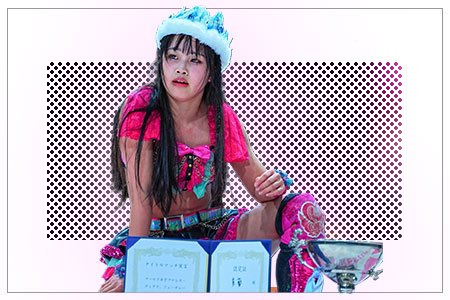
A Promotion You Should Know About: Diana
If you’ve never heard of Diana before, I do not blame you. They are a promotion that flies completely under the radar in English-speaking media that covers professional wrestling. We are here to change this.
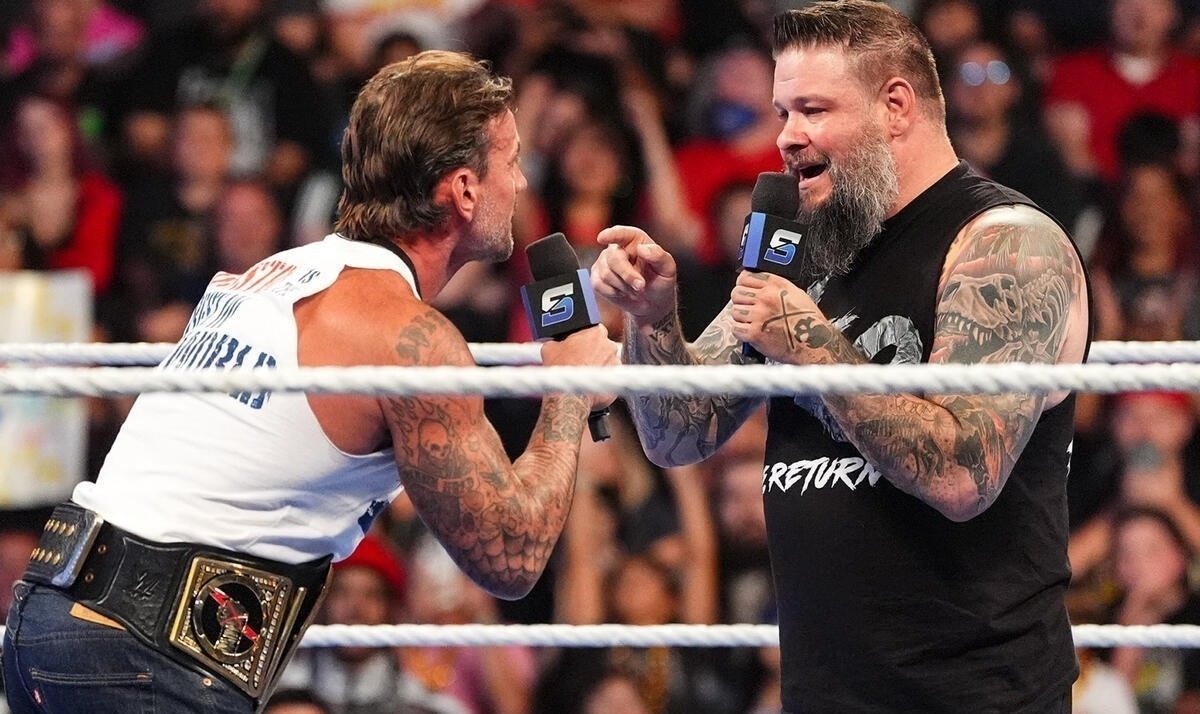
Endometriosis Is Not an Insult
…and Other Things Wrestlers Who Claim to Be Allies Need to Know
by Hillary
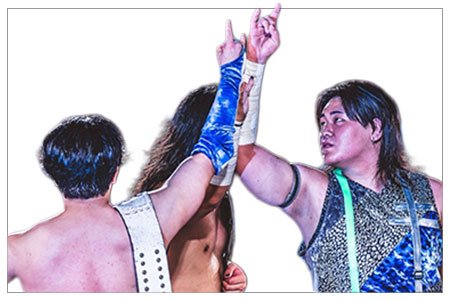
Asia & Oceania
Let’s put it simply: no one covers like Asia like Social Suplex.
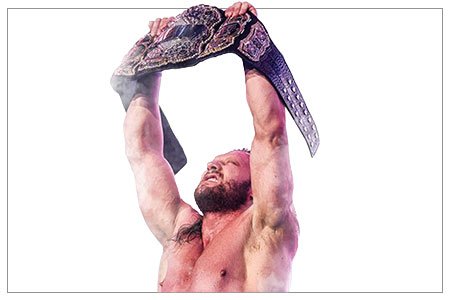
Americas
Take a look with us at the latest goings on in the USA, Mexico, Canada and South America
Check out these other articles!
A Promotion You Should Know About: Diana
If you’ve never heard of Diana before, I do not blame you. They are a promotion that flies completely under the radar in English-speaking media that covers professional wrestling. We are here to change this.
Endometriosis Is Not an Insult
…and Other Things Wrestlers Who Claim to Be Allies Need to Know
by Hillary
Americas
Take a look with us at the latest goings on in the USA, Mexico, Canada and South America
Asia
Check out the most recent iteration of our best-in-class coverage of Japan!